
June 10th, 2026
The day started with a mix up of locations. Rather than starting with the Archaeological Museum in Rethymnon, we stopped at the Minoan Cemetery of Armeni. This was followed by the Arkadi Monastery and the Archaeological site and Museum of ancient Eleuthera. Lunch was had in Margarites village, which is known for its pottery traditions, and the day finished with the Archaeological Museum in Rethymnon.
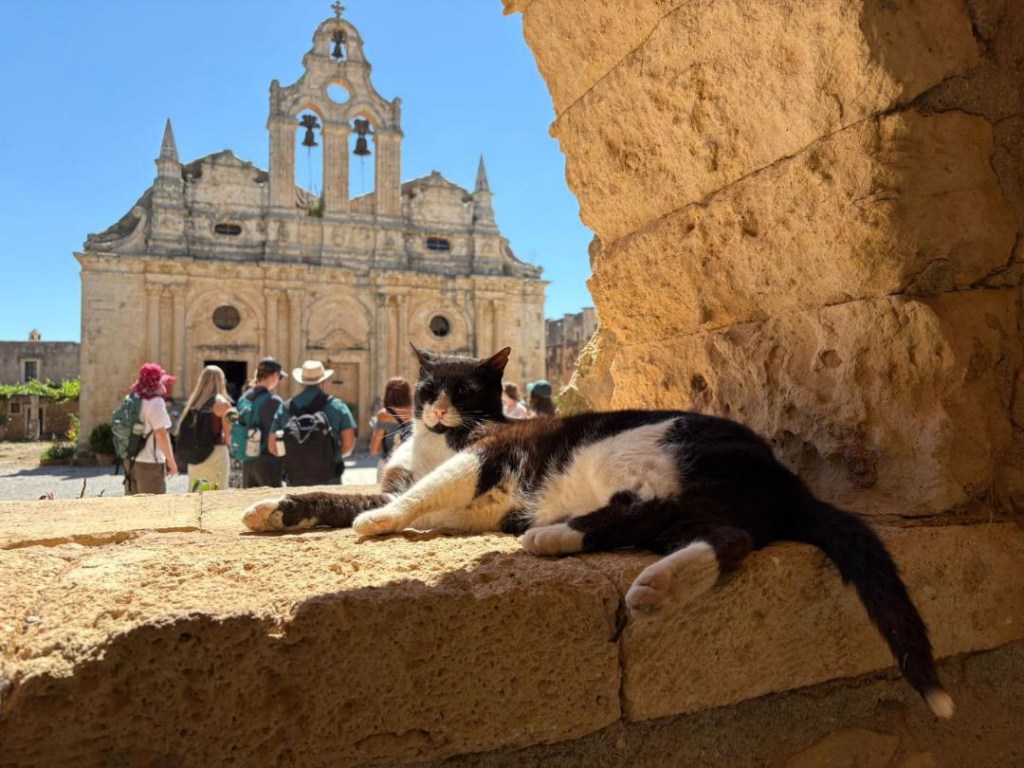
Photo taken by Piper.
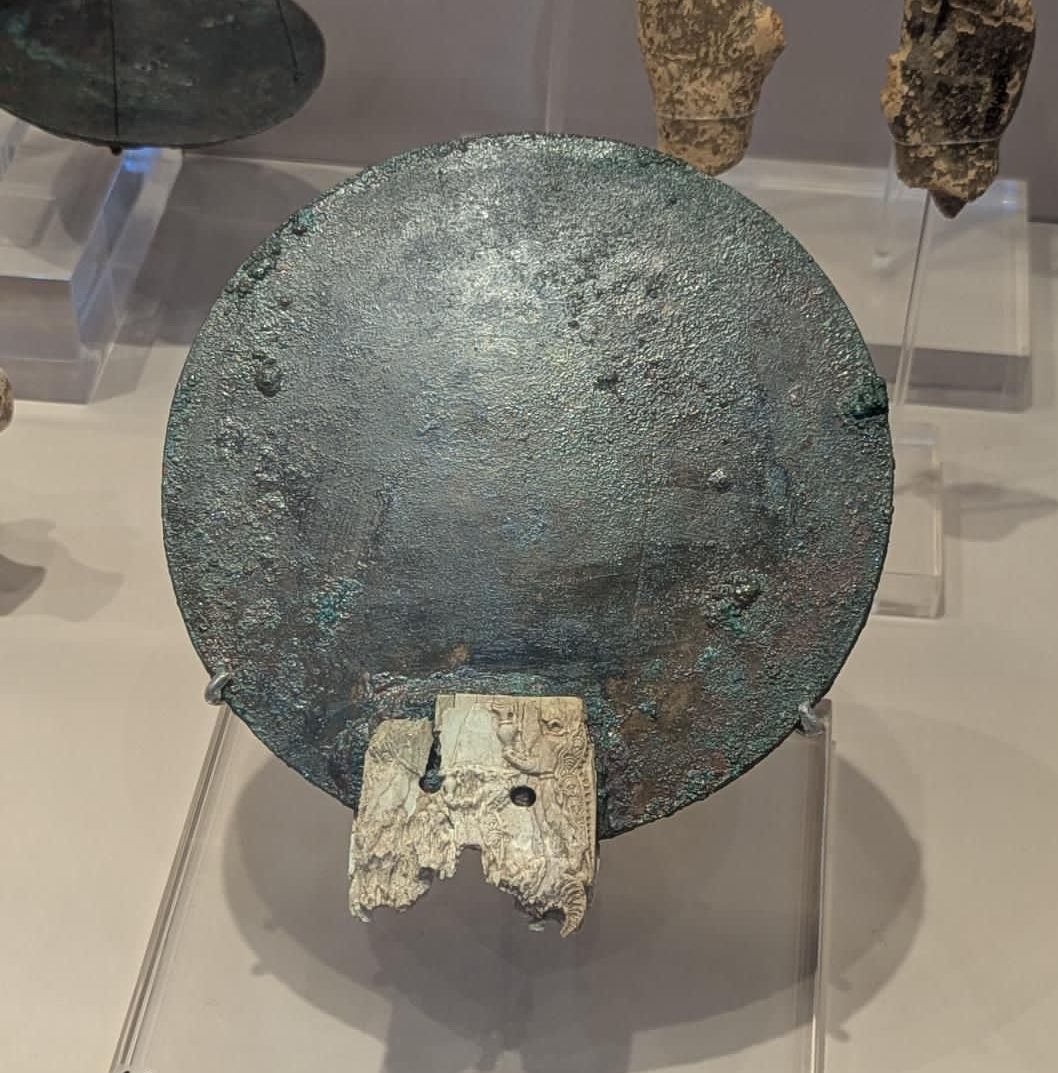
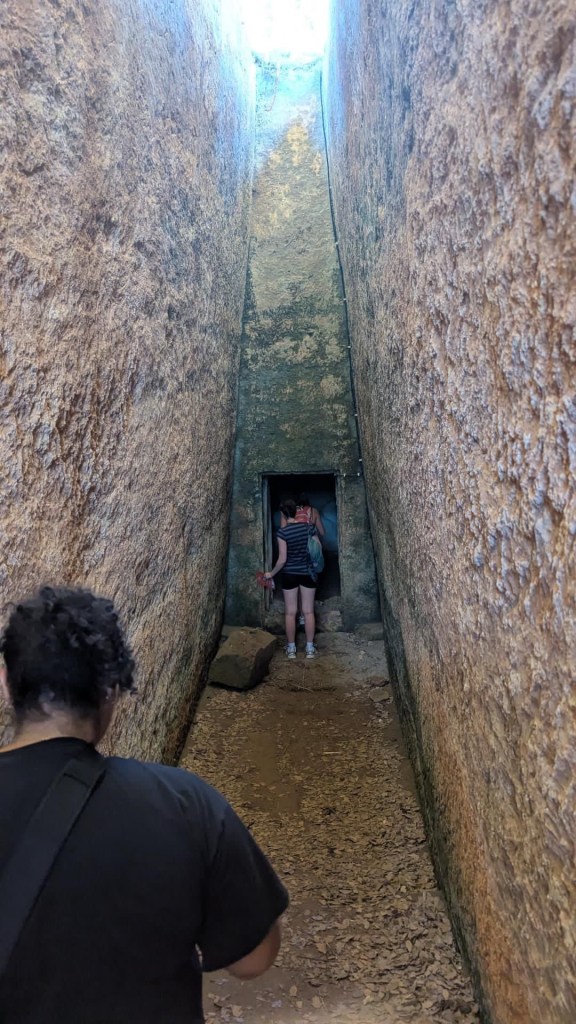
There is so much to say about each site with such limited space but the unknown origins of the cemetery of Armeni are quite intriguing. The tombs were from the Late Minoan III period (c. 1400-1200 BCE), at which point the culture of the Mycenaeans from the mainland were beginning to mix more clearly with Crete’s Minoan culture. Out of the entire cemetery, 500 individuals buried, 200 of the tombs were chamber tombs, and one was a tholos tomb. These were both typical of Mycenaean burial traditions. This indicates that Armeni’s population during the Late Minoan III period was Mycenaean but as the village that the cemetery would belong to hasn’t been found, it’s impossible to be sure. Chamber tombs were circular or rectangular chambers cut into the subterranean rock, accessed by a step or two to around 20 steps depending on the size, and a ramp, which would all be buried again. Tholos tombs were circular stone built tombs covered with earth again, they would usually have conical or domed roofs, and would also be accessed by a ramp called a dromos. Isabella smartly asked about tooth analysis, as by analyzing the teeth of the remains, scientists and archaeologists can discover from where the individuals were from, which would help to decipher whether those buried at Armeni were Mycenaean who’d moved to Crete or native Minoans. Dr. Buell was not aware whether or not the analyses were already in progress but he said he’d find out and let the group know (he did).
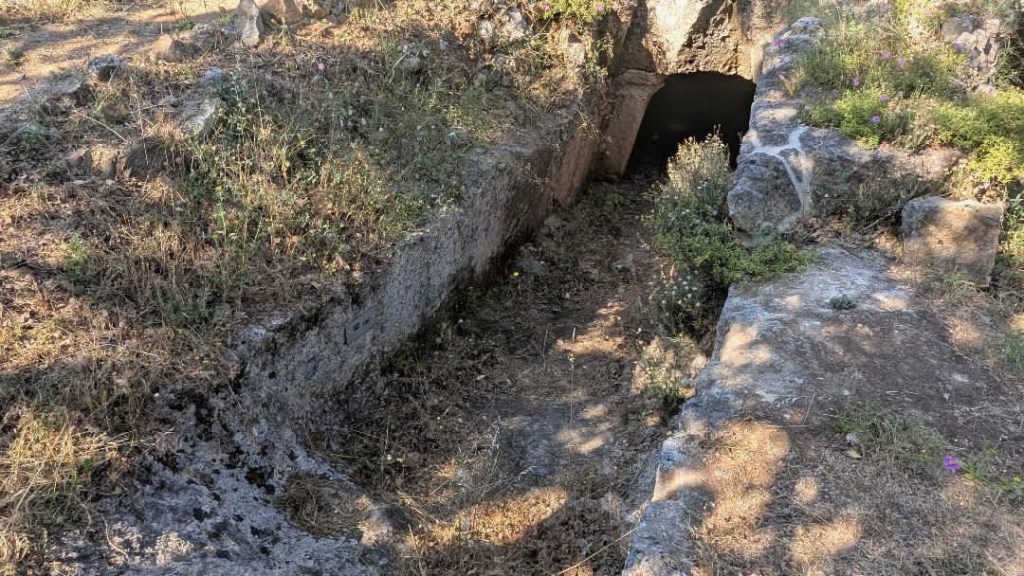
Visitors were luckily allowed to enter these tombs. It was so beautiful to see it all overgrown, but overgrown means also that snakes lurked and it was advised to toss a rock in the chamber before thinking of going in so that the critters would scatter. The largest one still had visible traces of a bronze chisel used to carve it, the tombstone was engraved with a chequer-pattern and though it was already looted, it had a good amount of jewellery and weapons and kylikes, which were drinking cups, and benches so that visitors could sit and have drinks with their ancestors, much like people still do when visiting family and friends at cemeteries today.
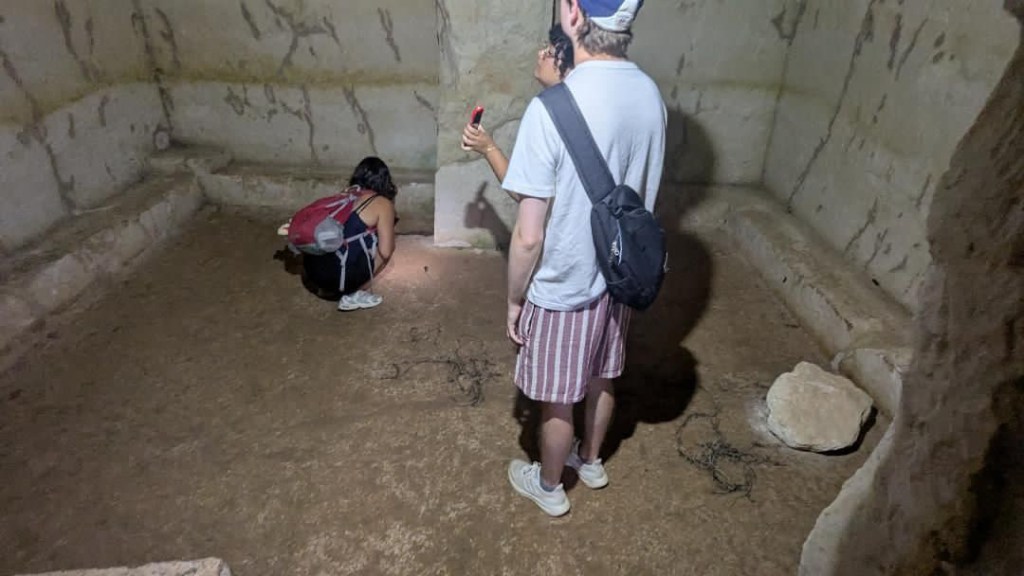
Throughout the entire trip, learning all the small things that seem to continue forever in so many cultures has been bittersweet. In a sense it’s reassuring. Continuity gives a feeble sense of stability through time. As weak as the connection is, cups left at a grave to drink with passed loved ones, these people have all experienced countless wars and hardships, entire destruction and it’s the same everywhere else, but small things can still survive. The world will continue to spin and fall into turmoil and lift itself back up again, and it might not all feel okay, but sometimes the small things act as a bit of stability through it all if one lets them.
~Charlotte Cyr-Jones


Leave a Reply