
Summer Program in Greece (CLAS 370/470)
The Concordia Summer Program in Greece (2026) is a three-week (May 26th-June 13th), intensive course with trips to Greece’s most important historical sites and museums. During this time, students will travel to the major monuments, museums, and cultural sites of Greece where they will gain invaluable firsthand experience of the history, archaeology, and culture of the country. Our classrooms will be the cities of Greece, including Athens, Corinth, Nafplio, Sparta, and Thebes on the Mainland, and Heraklion, Aghios Nikolaos, Rethymnon, and Chania on the island of Crete. Some of the sites that we will visit include the Athenian Acropolis, Marathon, Mycenae, Messene, Mystras, Olympia, Delphi, Hosios Loukas, and Knossos, among many others. During these excursions Drs. Buell and Francis, as well as a number of guest speakers, will lead students through the sites, describing, and analyzing structures and spaces. Museum visits will highlight the most informative artifacts and connect them to sites that we have visited. Our goals are to 1) provide students with first-hand knowledge of Greece’s culture, history, and monuments, 2) critically examine how knowledge about the past can be constructed and expressed, 3) illustrate the value given to the past by modern populations, and 4) examine the importance placed upon cultural heritage.
2026 Itinerary
Tuesday, May 26th
Arrival to Athens
Wednesday, May 27th
Athens: Acropolis Museum, Acropolis Site, Pnyx
Thursday, May 28th
Athens: National Archaeological Museum, Agora, Roman Agora, Library of Hadrian
Friday, May 29th
Corinth: Ancient Corinth and the Acrocorinth, Markellos Olive Oil Mill
Argolid: the Sanctuary of Zeus at Nemea, Bairaktaris winery
Saturday, May 30th
Argolid: Tiryns, Lerna, Mycenae, Zotos Brothers Biofarm
Sunday, May 31st
Nafplio: Museum, Palmidi
Laconia: Sparta, Mystras
Monday, June 1st
Messenia: Palace of Nestor, Voidokilia
Tuesday, June 2nd
Messenia: Messene
Elis: Sanctuary of Zeus, Olympia, Museum of the History of the Olympic Games
Wednesday, June 3rd
Phocis: Sanctuary of Apollo, Delphi
Thursday, June 4th
Boeotia: Hosios Loukas, Thebes (museum and walking tour)
Friday, June 5th
Attica: Marathon, Sanctuary of Artemis at Brauron, Thorikos, temple of Poseidon, Sounion
Saturday, June 6th
Central Crete: Knossos, Archaeological Museum in Heraklion
Sunday, June 7th
Central Crete: Malia
East Crete: Gournia, Archaeological Museum of Aghios Nikolaos, Lato
Monday, June 8th
South Crete: Museum of the Messara, Kamilari tholos tomb, Gortyn, Phaistos
Tuesday, June 9th
West Crete: Rethymnon (Folklore and Historical Museum, Fortezza)
Wednesday, June 10th
West Crete: Rethymnon Archaeological Museum, Armeni, Arkadi
Thursday, June 11th
West Crete: Chania (Archaeological Museum, Byzantine Museum, Ancient Kydonia), Aptera, Eleutherna
Friday, June 12th
West Crete: Maleme (German War Memorial and Airstrip, Tholos Tomb), Kissamos (Museum, House of Pheidias Site)
Saturday, June 13th
Departure
The Instructors
Dr. D. Matthew Buell
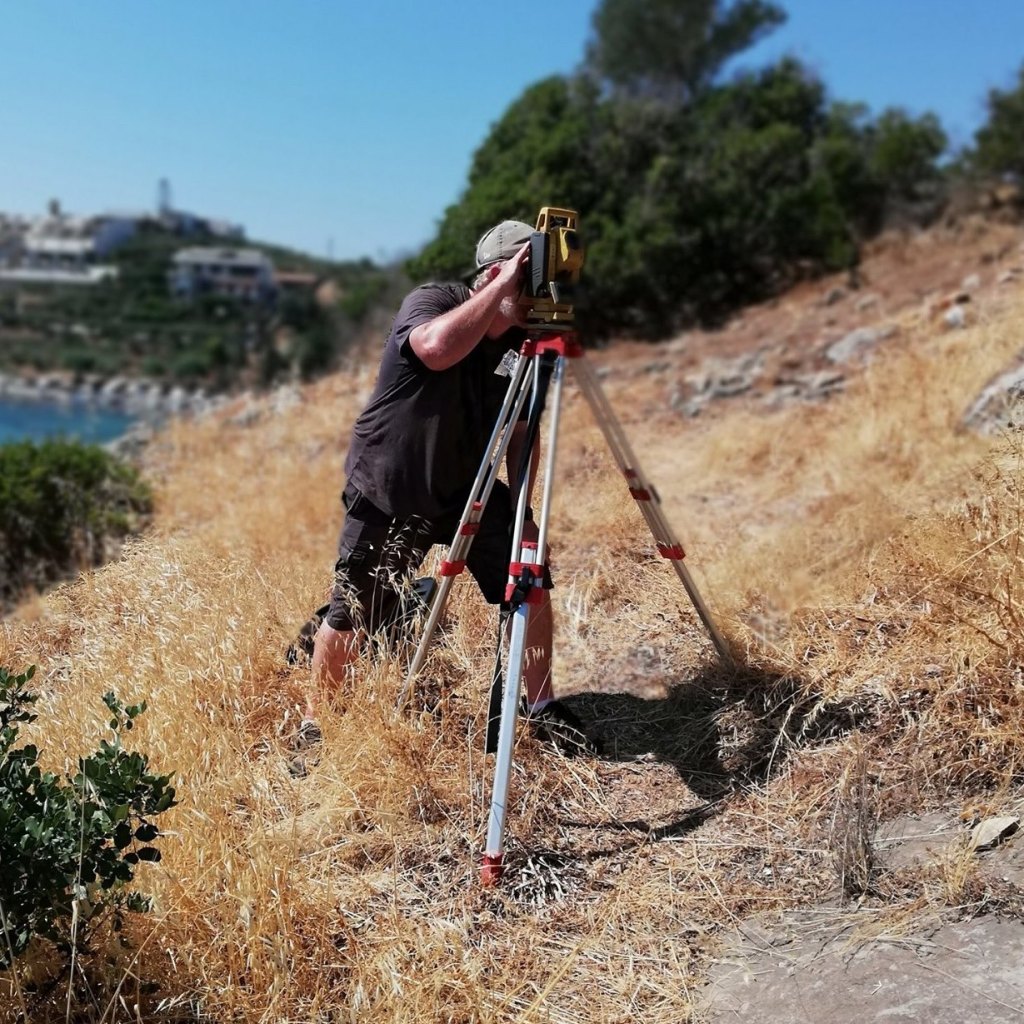
I am an archaeologist with survey and excavation experience in North America and the Mediterranean. I currently serve as a director for the Gournia Excavation Project (under the overall direction of L.V. Watrous, University at Buffalo), and as a co-director (with Rodney D. Fitzsimons, Trent University) of the Khavania Archaeological Project. Both are located in east Crete. My most recent research focuses on issues of state formation, urbanization, city planning, and landscape in Bronze Age Crete. I have had the pleasure of teaching Mediterranean archaeology and history courses in the CMLL Department at Concordia since 2015. In my free time, I enjoy exploring Montreal’s parks and trails on my bike, writing and recording music, and, occasionally, fighting crime.
Concordia Profile: https://www.concordia.ca/faculty/matthew-buell.html?c=/artsci/cmll/about/faculty
Academia: https://concordia.academia.edu/DMatthewBuell
Dr. Jane Francis
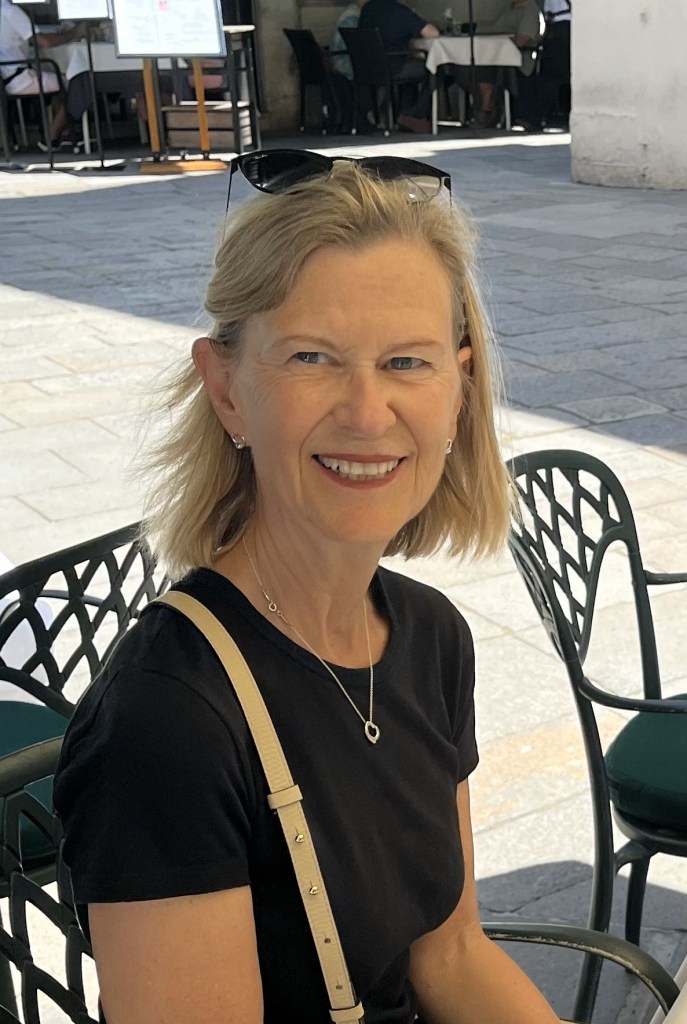
I am an archaeologist with a specialization in the Roman period on the island of Crete. I focus on Roman ceramics and fabrics and have studied and published pottery from surveys (Moni Odigitria, Sphakia) and excavations (Skoteino Cave) and have co-directed several independent studies on pottery from sites on Crete as well as the Anaphi Survey (Cyclades). My research includes ancient beekeeping and experimental reconstructions. I am one of the authors of the 2-volume final publication of the Sphakia Survey Project (with J. Moody and L. Nixon). I have taught archaeology at Concordia since 1996 and will some day retire. I have few hobbies but I am a life-long, enthusiastic downhill skier. My crime fighting involves yelling at tourists who are illegally climbing fences to get into closed archaeological sites.
Concordia Profile: https://www.concordia.ca/faculty/jane-francis.html?c=/artsci/cmll/about/faculty
Academia: https://concordia.academia.edu/JaneFrancis
Participants
This year there are 19 students participating in the Summer Program. These participants come from a diverse range of majors, including Anthropology, Art History, Classics, History, Linguistics, and Studio Art, and from all levels, years 1-3. The participants include, Doğa Afsar, Chloe Bantey, Rosemarie Burla-Amatayakul, Annabelle Charpentier-Patry, Charlotte Cyr-Jones, Piper Gagne, Themis Holloway, Anna Hovakimyan, Livia Kiopini, Georgia Kuhzarani, Kyle McGilton, Isabella Michel, Cassandre Miller, Amelie Melk, Nola Roberts, Nat Roy, Vincent Silva, Abigael Sturgeon, and Allison Wolanyk
Support and Thanks
We would like to thank the many people and institutions who have supported us over the past year as we endeavored to make this Summer Study program a reality. From our own CMLL Department we thank Dr. Dario Brancato, Sandra Woywod-Page, and Parissa Zohari (https://www.concordia.ca/artsci/cmll.html). In addition, we owe a debt of gratitude to Dean Pascal Sicotte and those in the Dean’s office. Maral Abajian and the folks at Concordia International (https://www.concordia.ca/offices/ci.html) have been absolutely indispensable in making our goals a reality. We thank Thalia Cocconi and Maria Kotzia (Educational Tours and Cruises LLC) for their persistent patience, helpful advice, and organizational aptitude. The Canadian Institute in Greece (CIG), especially Jonathan Tomlinson, have provided crucial logistical aid. And, last, but certainly not least, thanks are owed to George Harrison, Kapua Iao, Heinrich Hall, Kevin Glowacki, Doniert Evely, Jenny Moody, Tom Brogan, Eleanor Huffman, and everybody else at the INSTAP Study Center for East Crete for their on-the-ground support and expert knowledge. Financial support for professors has been provided by an endowment for Byzantine Studies, while students are supported by the Quebec Mobility Bursary. Thank you. Thank you. Thank you.
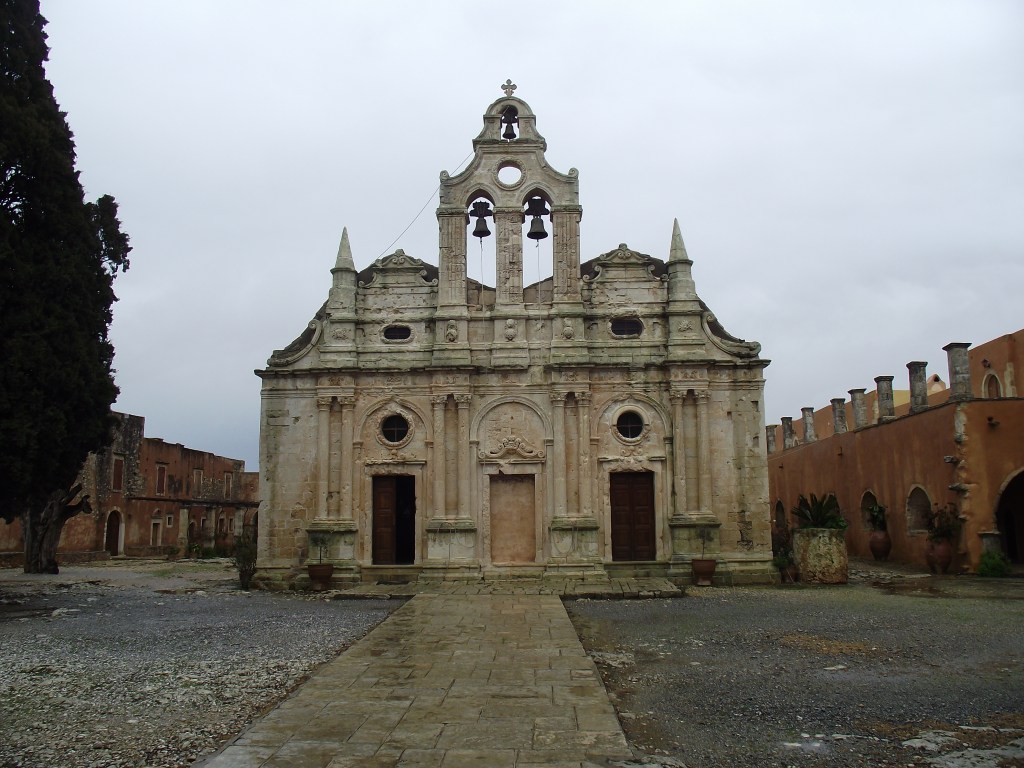
~The Arkadi Monastery, 16th c. This monastery played a role in the Cretan resistance against the Ottoman Empire in 1866. Site of a massacre on November 8th, 1866 the Monastery now stands as a testament to faith, resistance, and Cretan identity. Crete would finally achieve its independence in 1898.

